Gestational Diabetes
- Home
- Gestational Diabetes
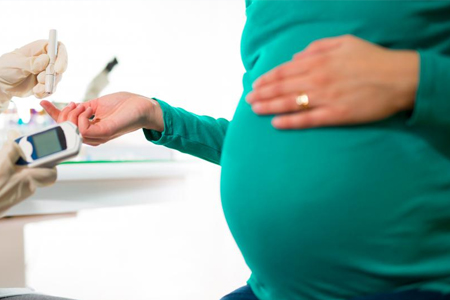
Gestational Diabetes
Gestational diabetes mellitus (GDM) is a form of diabetes that specifically develops during pregnancy, typically in the second or third trimester.
It occurs when the body cannot produce enough insulin to meet the increased needs of pregnancy, leading to elevated blood sugar levels. Here are more detailed aspects of gestational diabetes.
Causes
During pregnancy, hormones produced by the placenta can interfere with insulin function in some women, causing insulin resistance.
These include being overweight or obese before pregnancy, having a family history of diabetes, being older (over 25-30 years), belonging to certain ethnic groups (such as Hispanic, African-American, Native American, South Asian), and having a history of gestational diabetes in a previous pregnancy.
Screening most pregnant women undergo screening for gestational diabetes between weeks 24 and 28 of pregnancy using an oral glucose tolerance test (OGTT). High-risk women may be screened earlier.
Diagnosis gestational diabetes is diagnosed when blood sugar levels are higher than normal but not high enough to be diagnosed as diabetes outside of pregnancy.
Effects And Management on Pregnancy
Effects and Management:-
- Maternal Complications:- Women with gestational diabetes have an increased risk of developing preeclampsia (high blood pressure during pregnancy), requiring a cesarean delivery, and developing type 2 diabetes later in life.
- Fetal Complications:-Babies born to mothers with gestational diabetes are at risk for being larger than average (macrosomia), which can lead to birth complications such as shoulder dystocia. They may also have low blood sugar (hypoglycemia) after birth and are more likely to develop obesity and type 2 diabetes later in life.
- Blood Sugar Monitoring:- Women with gestational diabetes monitor their blood sugar levels regularly to ensure they remain within target ranges.
- Nutritional Therapy:-A registered dietitian helps create a meal plan that balances adequate nutrition with managing blood sugar levels.
- Physical Activity:-If diet and exercise alone do not control blood sugar levels, insulin injections may be necessary.
Copyright @2024 Dr Nitesh Kumar Buddhist. All Right Reserved.
Design & Developed by 